
Snowcrete Taught Me That Acclimation is Everything

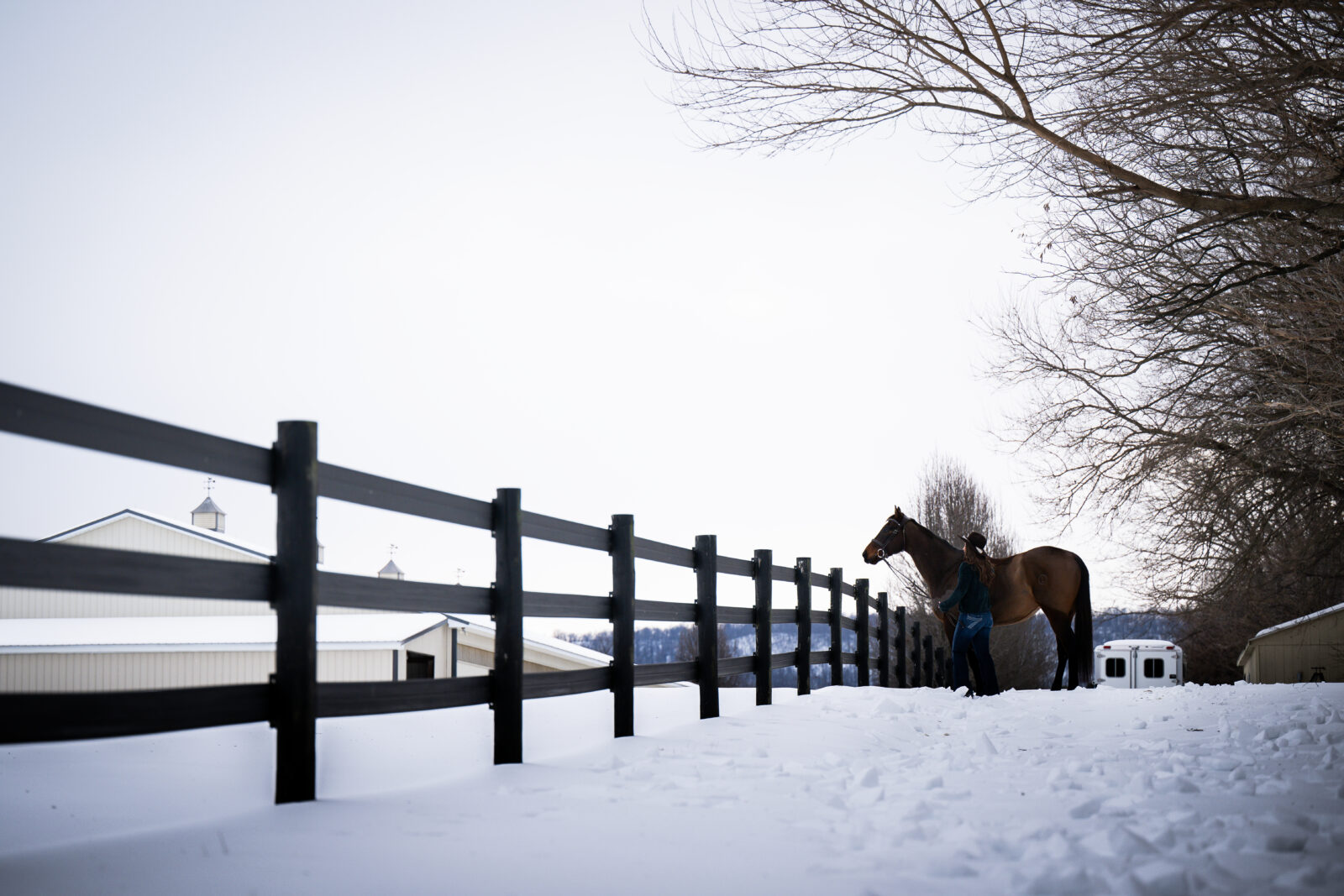

All throughout my 30s I lived in Wellington, Florida full-time. A contributing factor to moving there from California was how deeply insulted I felt during the month of July, when the fog of San Francisco’s marine layer would hit me in the morning like a rude slap.
It’s a memory that makes me laugh, as I’m a completely different person now living on my own farm in northern Virginia. That California girl who lived in Florida, we don’t know her! Especially after the recent events that mother winter has thrown at us. Acclimation to the climate of the North has really crystalized this winter. Like an icicle.

We’ve just endured the coldest stretch of freezing temperatures that the East Coast has seen in 90 years. Seventeen days of below freezing temperatures was more than anyone expected (respect to everyone reading this who lives north of me, I do not know how you do it.) The resulting phenomenon of the winter has been “snowcrete” – a special new word that millions of us from New York to North Carolina learned during the last half of January.
What is snowcrete? It’s the lasting result from a storm that dropped a foot of snow and then three to five more inches of freezing sleet on the same afternoon. Everything just literally froze into place. Snow + concrete = snowcrete.
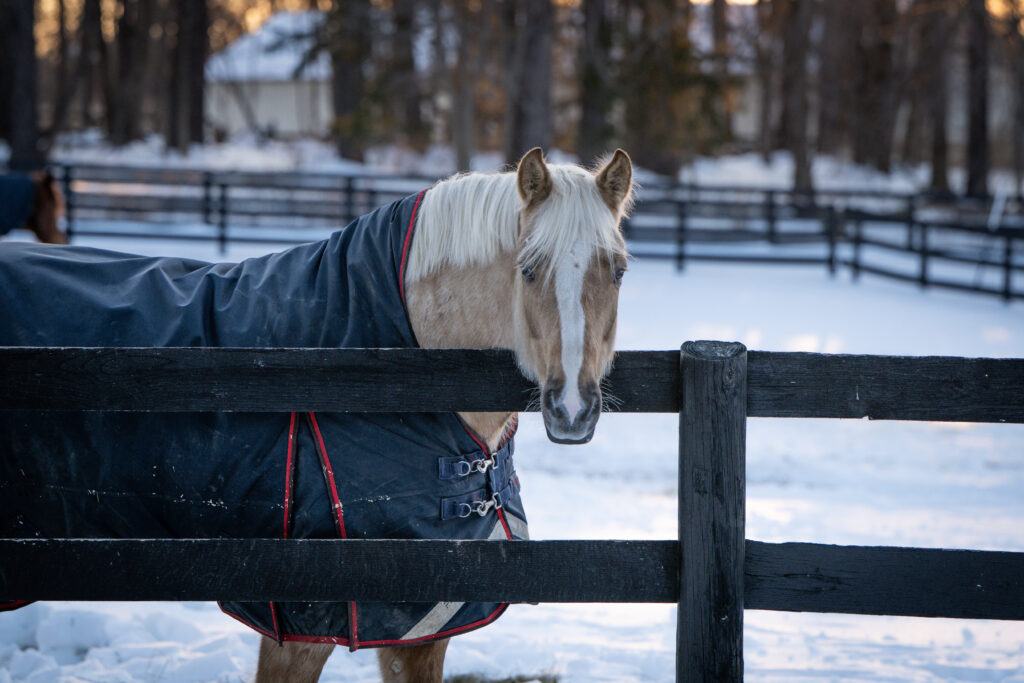
Temperatures settled into a barometer of who could walk on the snowcrete and not fall through: the cat, no problem. The dogs skittered across it. The human carrying dirty water bucket away from stall to empty and clean? The snowcrete also held that weight.
I’ve had a couple years to run up to living in “real winter” since leaving Florida for good in 2018. I’ve absolutely acclimated and can prepare for frozen hoses, black ice and the like. But 2026 and snowcrete? This required a level up in acclimation.
People built igloos with the snowcrete. They labored to dig their cars out of snowcrete encased cocoons. And on horse farms everywhere, we cursed the snowcrete. The horses themselves don’t seem to mind living on paths between the frozen snow. Questioning my own sanity, I jumped on the snowcrete to break it into smaller pieces and throw it aside to make bigger paths for my trio. I looked longingly at 90% of their field, untouched for weeks because they refused to leave the relative comfort of their paths. Horses don’t like busting through snowcrete any more than I do, but they do like the endless piles of hay they’ve received, strategically placed on their snowcrete track system to keep them walking and eating.
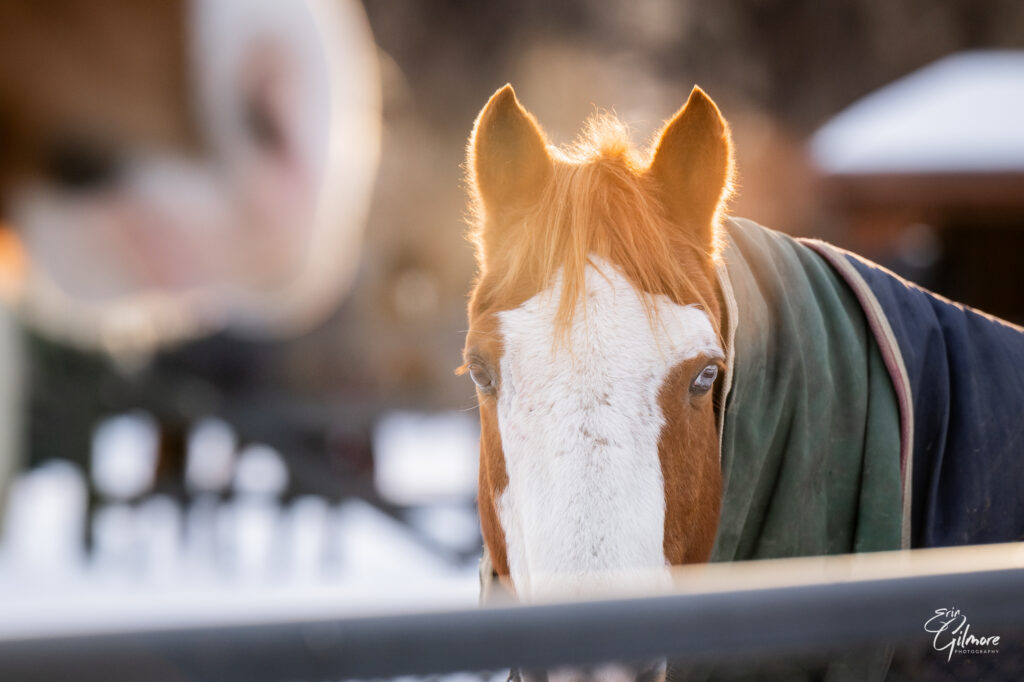
Single-digit lows added insult to injury. Acclimation to 32 degrees, no problem. But no horse in our area should be doing cardiovascular work when we’re stuck in the 10s and 20s. So we walked between multiple days off, and tried to wait it out. Even though my horse is the most perfect sensible angel who can walk roads after a week off (see Buy the Draft Cross) we were quickly joining the ranks of stir crazy creatures living amidst a snowcrete world.


As I write this the arctic freeze has broken, and the snowcrete outside my window is busy shapeshifting into a new circle of hell – melted snow floods and mud. But in exchange, my face doesn’t hurt when I walk outside, and my horse and I are able to trot, even canter (!!) and get back into training. So acclimated were we to life below freezing, when I opened my door to a 35 degree morning, I felt pure, unabashed joy and the return of optimism. I have never, ever, been so happy to see an upward trend. I might be riding in fleece layers and a heated vest, but I’m riding.
To everyone doing home horse care on the Eastern seaboard this winter, you all have earned an “I survived snowcrete” medal for not losing it completely. Give me white, fluffy, quickly melting snow any day. The lesson of this winter is acclimation, but I think I speak for everyone when I say that we are all finished with acclimating to snowcrete.
Photos by Erin Gilmore Photography